

Bringing industrial manufacturing into the classroom
Preparing future engineers means exposing them to the manufacturing processes they will encounter throughout their careers. While students are already familiar with additive manufacturing and machining, injection molding remains one of the most widely used industrial production methods—and one that is often difficult to demonstrate in an academic setting.
To bridge this gap, the Mechanical Engineering Department at Columbia University integrated the HoliPress into its manufacturing curriculum. Today, undergraduate and graduate students learn the complete injection molding workflow by designing, machining and producing their own plastic parts.
As student enrollment continues to grow, the university has expanded its equipment from two to three HoliPress machines to accommodate increasing demand.
Mechanical Engineering Department, Columbia University
When the department was looking for an educational injection molding solution, simplicity was a key criterion.
Unlike industrial presses that require compressed air, dedicated utilities or complex installation, the HoliPress could be installed directly in the laboratory. Once secured to a workbench, it was immediately ready for student use.
This compact, self-contained design made it an ideal fit for a university environment where equipment needs to be easy to deploy, easy to supervise and accessible to large numbers of students.
The HoliPress is now integrated into two Mechanical Engineering courses, allowing students to move beyond theory and experience injection molding firsthand.
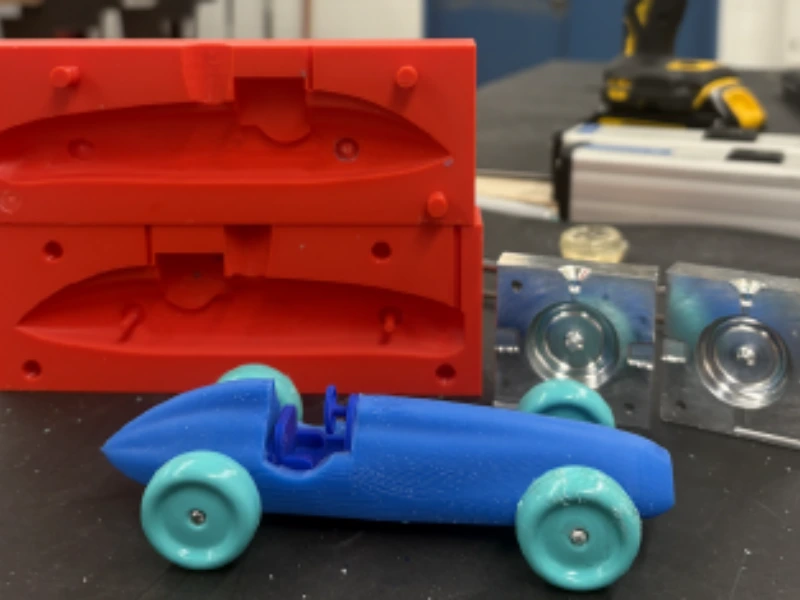
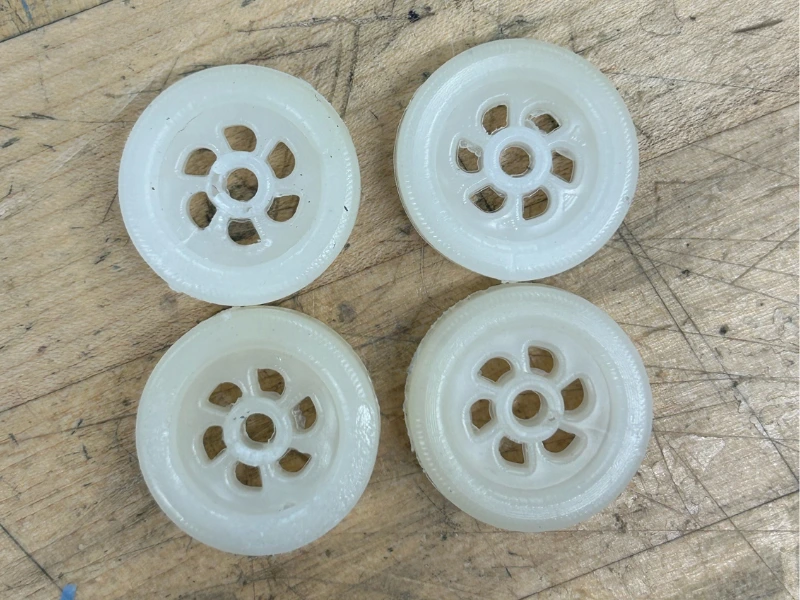
In the required course Materials and Processes in Manufacturing, junior Mechanical Engineering students design and manufacture a complete toy car.
Each component is produced using a different manufacturing process, allowing students to compare techniques and understand where each process is most appropriate.
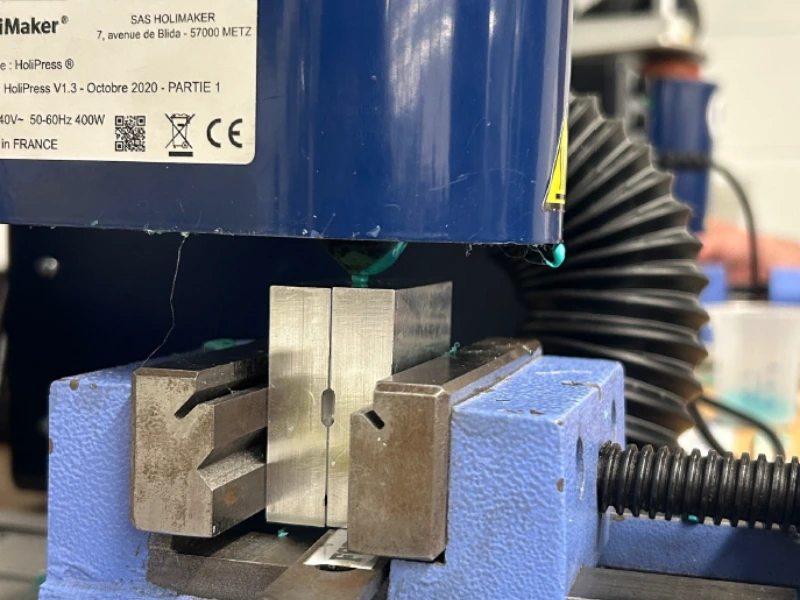
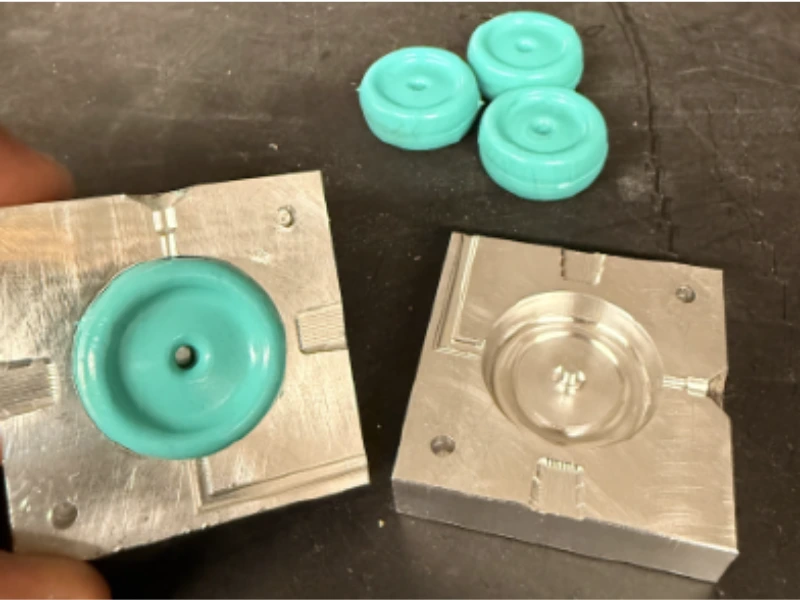
For the wheels, students complete the full injection molding workflow:
Rather than simply operating a machine, students experience the complete manufacturing process—from design to production.
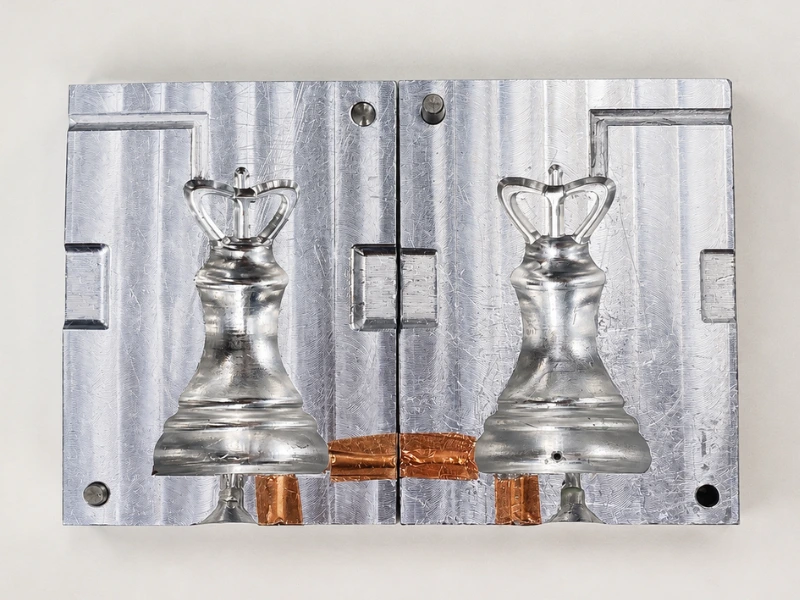
Graduate students take the project a step further.
Instead of reproducing a predefined part, they design an object of their choice, such as a chess piece, create their own mold and manufacture multiple identical parts.
The objective is no longer to produce a prototype but to understand repeatability and small-scale production.
Students learn how mold quality, processing parameters and material selection directly affect manufacturing consistency.
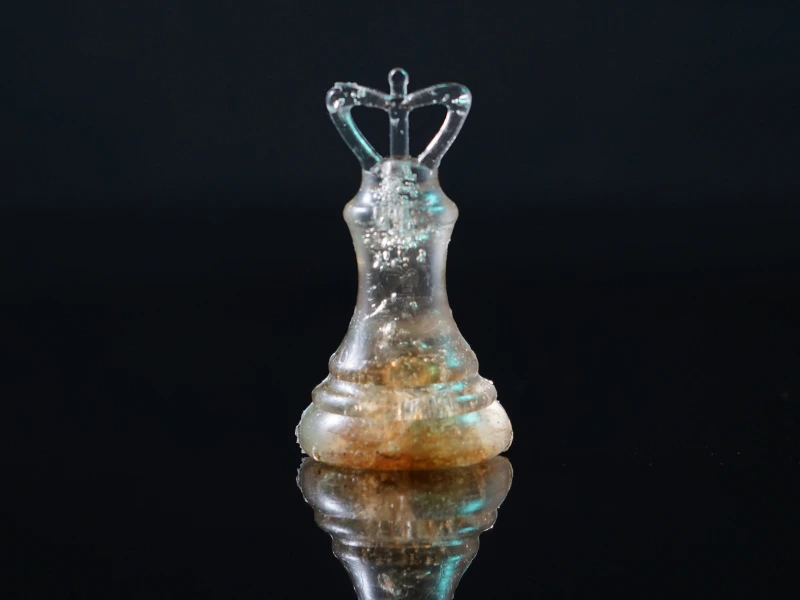
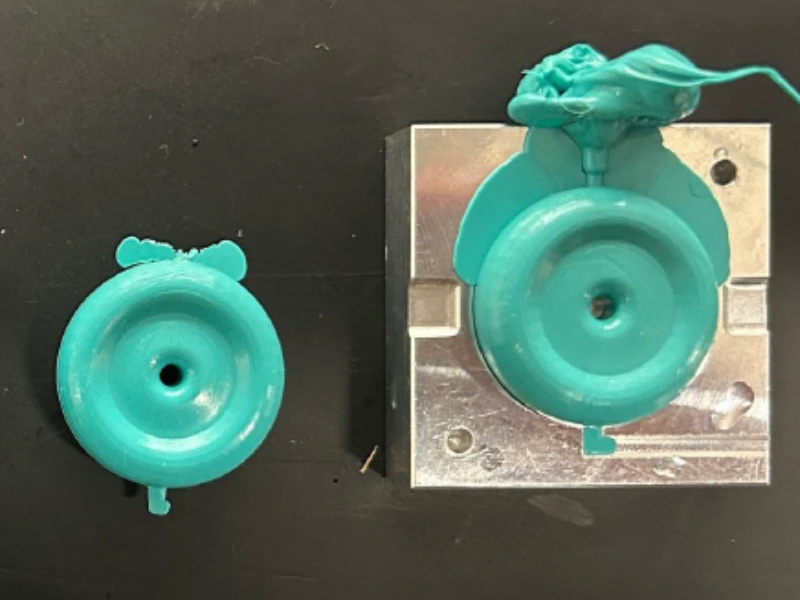
One of the greatest educational benefits of injection molding is that success rarely happens on the first attempt.
Students quickly discover that manufacturing involves much more than pressing a lever.
They learn to understand:
Instead of viewing unsuccessful parts as failures, they learn to analyse what happened and improve the process—exactly the kind of engineering mindset expected in industry.
As Daniela, the Manager of the Instructional Labs, explains, students often expect to produce four perfect wheels immediately. Instead, they discover that successful manufacturing requires patience, experimentation and continuous improvement.
Throughout the projects, students experiment with different thermoplastics to understand how processing conditions influence the final result.
At Columbia University, polypropylene has become the preferred teaching material because of its forgiving processing behaviour and reliable flow characteristics.
PLA is also used, giving students the opportunity to compare materials with different viscosities and processing windows.
This hands-on comparison helps students connect material science with practical manufacturing.
The HoliPress is used intensively during several weeks each semester.
Students work in teams but almost every student operates the machine during the project, giving them direct experience with injection molding rather than simply observing demonstrations.
With enrollment increasing from around 80 students to approximately 120 students each year, Columbia University recently expanded its laboratory by purchasing a third HoliPress.
The reason was simple:
Injection molding complements the other manufacturing technologies already taught in the department.
Students experience:
By combining these technologies within a single project, students gain a broader understanding of modern manufacturing and learn how engineers select the appropriate process for each application.
The HoliPress provides an accessible way to introduce one of industry’s most important manufacturing techniques without the complexity or footprint of industrial equipment.
Key Outcomes
Interested in bringing injection molding to your classroom?
Whether you’re teaching manufacturing processes, product design or materials engineering, the HoliPress offers students a practical introduction to injection molding in a compact, classroom-friendly format.